

COUPLES COUNSELING
Couples therapy provides a space for partners to better understand one another, improve communication, and work through patterns that feel stuck or painful.
I work with couples navigating conflict, emotional distance, trust concerns, and life transitions. Sessions focus on strengthening emotional connection while developing tools for healthier interaction.

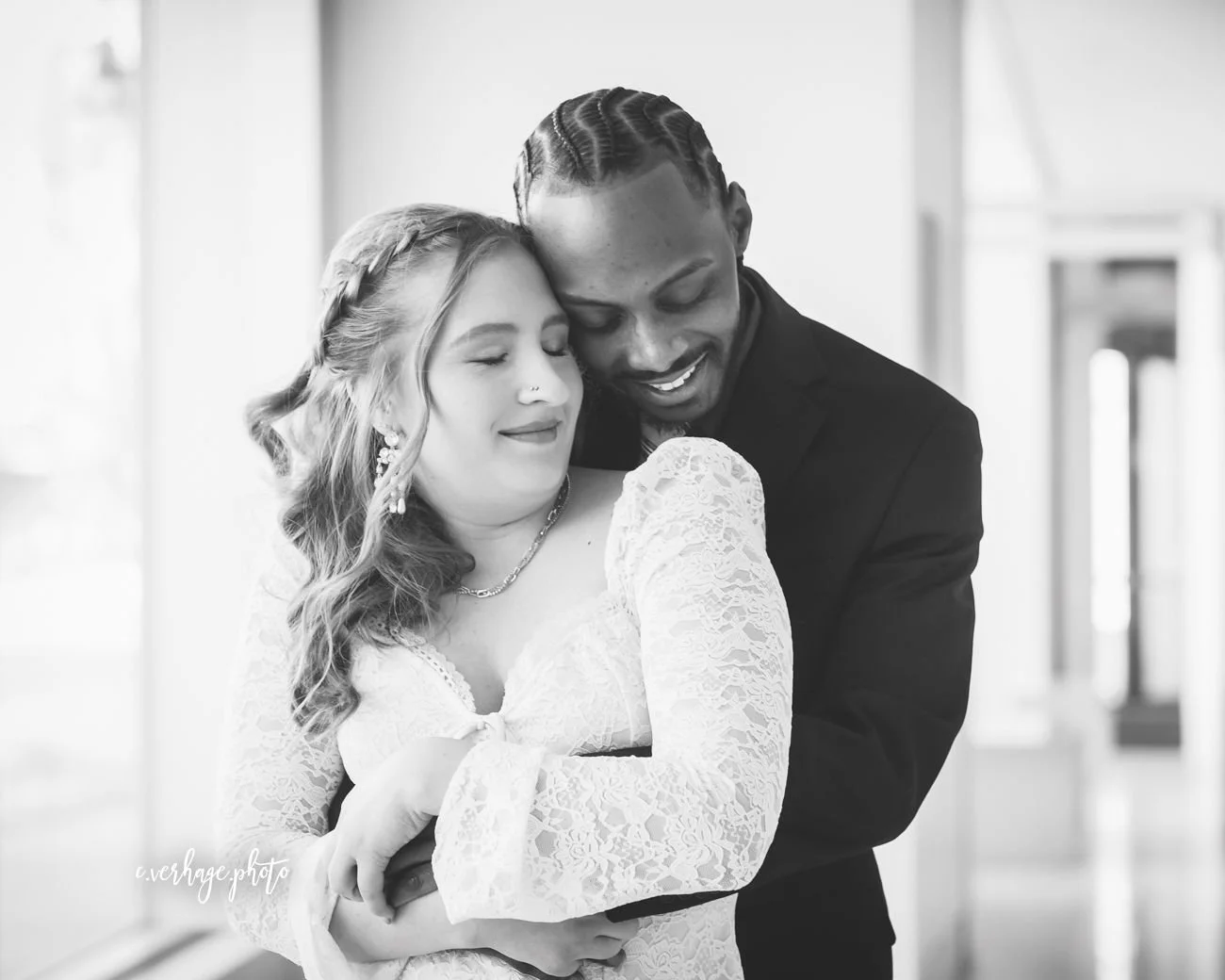
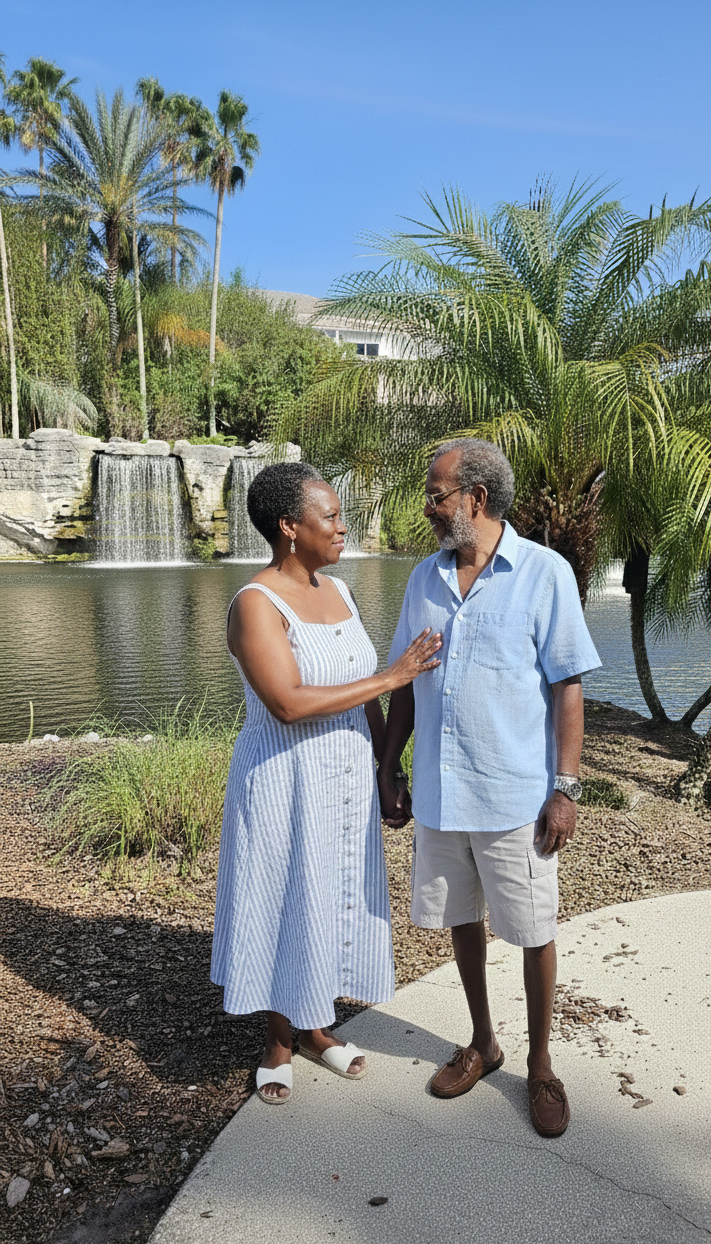
Couples therapy is welcoming and inclusive of all relationships — partners of every background, identity, orientation, and stage of life. The work is shaped around who you are together.
Couples therapy may incorporate Emotionally Focused Therapy (EFT), an evidence-based approach that helps partners identify emotional cycles, deepen attachment, and create more secure and responsive relationships.
Our Approach
Couples therapy is designed to promote avenues for partners to rebuild trust, strengthen communication, and grow together
Couples Therapy FAQs
-
Couples therapy (also called relationship or marriage counseling) is a form of psychotherapy that helps partners improve communication, resolve conflict, and rebuild emotional connection. A trained therapist works with both individuals to better understand patterns in the relationship and develop healthier ways to relate to one another.
-
You may benefit from couples therapy if you and your partner experience frequent arguments, communication breakdowns, trust issues, or emotional distance. Relationship counseling can also help during life transitions, such as moving, parenting, or career changes—even if things don't feel 'bad,' but you want to feel closer and more connected. -
Ideally, both partners participate in couples therapy to get the most benefit. However, it's common for one partner to feel unsure at first. In many cases, starting the conversation and attending an initial session together can help reduce hesitation and build comfort with the process. -
In a couples therapy session, you and your partner will work through concerns, patterns, and goals with the guidance of a therapist. Sessions focus on improving communication, understanding each other's perspectives, and learning practical tools to manage conflict and strengthen your relationship.
-
The length of couples therapy varies depending on your goals and the complexity of your concerns. Some couples see improvement in a few sessions, while others benefit from long-term support. Your therapist will work with you to create a plan that fits your needs.
-
Yes. Couples therapy can help you explore your options in a supportive, structured way. Some couples use therapy to repair and reconnect, while others use it to separate more thoughtfully and with less conflict.
-
No—couples therapists are trained to remain neutral and supportive of both partners. The focus is on understanding the relationship dynamics rather than assigning blame, helping both individuals feel heard and respected.
-
It's completely normal for disagreements to come up during couples therapy. Your therapist will help guide these conversations so they remain productive, respectful, and focused on resolution rather than escalation.
-
Yes, couples therapy is confidential, with a few legal exceptions (such as risk of harm to yourself or others). Your therapist will explain confidentiality policies clearly at the start of treatment.
-
Many therapists offer both in-person and online couples therapy sessions. Access to in person or virtual will be determined by the assigned therapist at your request. Virtual sessions provide a convenient and flexible option for busy schedules or long-distance partners.
-
In-person couples therapy offers a shared, dedicated space where both partners can fully focus on the work without the distractions of home or daily life. Being physically present with your therapist can make it easier to read body language, notice subtle emotional cues, and feel more connected during important conversations. For many couples, this face-to-face setting allows for deeper engagement, more immediate support during difficult moments, and a stronger sense of structure and accountability in the therapy process.
-
Couples therapy is offered on a self-pay basis at our practice. Session fees range from $145 to $185, depending on the therapist's credentials and specialty. For example, sessions with a Registered Intern are $145, while sessions with a Licensed Mental Health Counselor (LMHC) are $185. While some insurance plans may offer limited coverage for services related to relationship concerns, we do not bill insurance for couples therapy. Clients who have insurance will be asked to sign a waiver acknowledging that they are choosing to move forward with self-pay services.
-
It's common for one partner to feel hesitant. Couples therapy is a collaborative and non-judgmental process, and many people feel more comfortable after the first session. Starting the conversation is often the hardest step.
-
Getting started is simple. Call our office or request an appointment to schedule an initial consultation or first session. During this time, you'll discuss your concerns, goals, and whether the therapist is a good fit for your needs.
Ready to get started?
Reach out today to begin your journey.